Завантажити застосунок

Опис

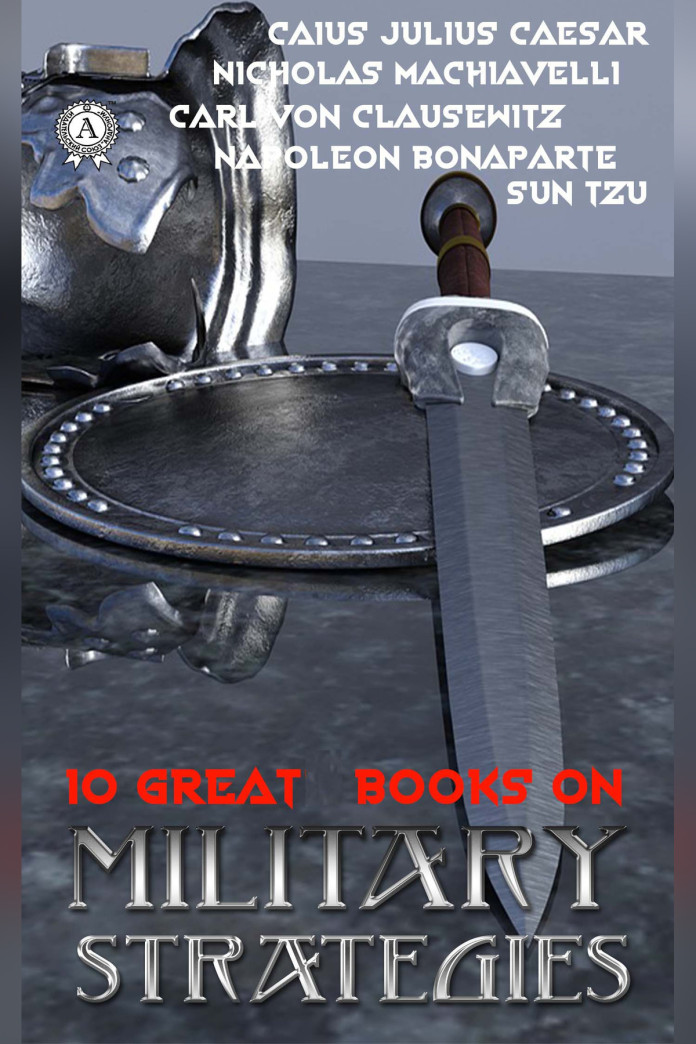
10 класичних творів військової стратегії та філософії

Вивчення праць великих полководців і мислителів минулого є важливою частиною військової освіти. Військова діяльність триває тисячоліттями, і основні принципи тактики, стратегії та цілей залишаються незмінними. Саме тому ці твори допомагають уникати помилок минулого та вдосконалювати сучасну практику.

Від «Мистецтва війни» Сунь-цзи до «Про війну» Клаузевіца, від історії Пелопоннеської війни Фукідіда до «Семи стовпів мудрості» Лоуренса — ця збірка охоплює найважливіші тексти, що формували військову думку протягом століть.

До збірки входять твори:

  • Sun Tzu — The Art of War (Мистецтво війни)
  • Thucydides — The History of the Peloponnesian War (Історія Пелопоннеської війни)
  • Caius Julius Caesar — The War In Gaul. The Civil War (Війна в Галлії. Громадянська війна)
  • Niccolò Machiavelli — The Art of War. The Prince (Мистецтво війни. Державець)
  • Sextus Julius Frontinus — Stratagems (Стратегеми)
  • Xenophon — Anabasis (Анабасис)
  • Flavius Vegetius Renatus — The Military Institutions of the Romans (Військові інститути римлян)
  • Carl von Clausewitz — On War (Про війну)
  • T. E. Lawrence — Seven Pillars of Wisdom (Сім стовпів мудрості)
  • Napoleon Bonaparte — The Officer's Manual. Napoleon's Maxims of War (Посібник офіцера. Максимуми війни Наполеона)

Ця збірка стане вашим провідником у світ військової стратегії та філософії, допомагаючи зрозуміти історичні паралелі та уроки минулого.

Про видання

Вікові обмеження
16+
Мова
Англійська
Рівень складності
Складний
Обсяг
≈ 1 254 000 слів
Час читання
≈ 116 год
Формат
Електронна книга

Зазирнути в книгу

Зміст

  • Sun Tzu on The Art of War the oldest military treatise in the world
  • Chapter I. Laying Plans
  • Chapter II. Waging War
  • Chapter III. Attack by Stratagem
  • Chapter IV. Tactical Dispositions
  • Chapter V. Energy
  • Chapter VI. Weak Points and Strong
  • Chapter VII. Manœuvering
  • Chapter VIII. Variation of Tactics
  • Chapter IX. The Army on the March
  • Chapter X. Terrain
  • Chapter XI. The Nine Situations
  • Chapter XII. The Attack by Fire
  • Chapter XIII. The Use of Spies
  • Thucydides The History of the Peloponnesian War Translated by Richard Crawley
  • Book I
  • Chapter I. The State of Greece from the earliest Times to the Commencement of the Peloponnesian War
  • Chapter II. Causes of the War-The Affair of Epidamnus-The Affair of Potidaea
  • Chapter III. Congress of the Peloponnesian Confederacy at Lacedaemon
  • Chapter IV. From the end of the Persian to the beginning of the Peloponnesian War-The Progress from Supremacy to Empire
  • Chapter V. Second Congress at Lacedaemon-Preparations for War and Diplomatic Skirmishes-Cylon-Pausanias-Themistocles
  • Book II
  • Chapter VI. Beginning of the Peloponnesian War-First Invasion of Attica-Funeral Oration of Pericles
  • Chapter VII. Second Year of the War-The Plague of Athens-Position and Policy of Pericles-Fall of Potidaea
  • Chapter VIII. Third Year of the War-Investment of Plataea-Naval Victories of Phormio-Thracian Irruption into Macedonia under Sitalces
  • Book III
  • Chapter IX. Fourth and Fifth Years of the War-Revolt of Mitylene
  • Chapter X. Fifth Year of the War-Trial and Execution of the Plataeans- Corcyraean Revolution
  • Chapter XI. Year of the War-Campaigns of Demosthenes in Western Greece-Ruin of Ambracia
  • Book IV
  • Chapter XII. Seventh Year of the War-Occupation of Pylos-Surrender of the Spartan Army in Sphacteria
  • Chapter XIII. Seventh and Eighth Years of the War-End of Corcyraean Revolution- Peace of Gela-Capture of Nisaea
  • Chapter XIV. Eighth and Ninth Years of the War-Invasion of Boeotia-Fall of Amphipolis-Brilliant Successes of Brasidas
  • Book V
  • Chapter XV. Tenth Year of the War-Death of Cleon and Brasidas-Peace of Nicias
  • Chapter XVI. Feeling against Sparta in Peloponnese-League of the Mantineans, Eleans, Argives, and Athenians-Battle of Mantinea and breaking up of the League
  • Chapter XVII. Sixteenth Year of the War-The Melian Conference-Fate of Melos
  • Book VI
  • Chapter XVIII. Seventeenth Year of the War-The Sicilian Campaign-Affair of the Hermae-Departure of the Expedition
  • Chapter XIX. Seventeenth Year of the War-Parties at Syracuse-Story of Harmodius and Aristogiton-Disgrace of Alcibiades
  • Chapter XX. Seventeenth and Eighteenth Years of the War-Inaction of the Athenian Army-Alcibiades at Sparta-Investment of Syracuse
  • Book VII
  • Chapter XXI. Eighteenth and Nineteenth Years of the War-Arrival of Gylippus at Syracuse-Fortification of Decelea-Successes of the Syracusans
  • Chapter XXII. Nineteenth Year of the War-Arrival of Demosthenes-Defeat of the Athenians at Epipolae-Folly and Obstinancy of Nicias
  • Chapter XXIII. Nineteenth Year of the War-Battles in the Great Harbour-Retreat and Annihilation of the Athenian Army
  • Book VIII
  • Chapter XXIV. Nineteenth and Twentieth Years of the War-Revolt of Ionia- Intervention of Persia-The War in Ionia
  • Chapter XXV. Twentieth and Twenty-first Years of the War-Intrigues of Alcibiades-Withdrawal of the Persian Subsidies-Oligarchical Coup d'Etat at Athens-Patriotism of the Army at Samos
  • Chapter XXVI. Twenty-first Year of the War-Recall of Alcibiades to Samos-Revolt of Euboea and Downfall of the Four Hundred-Battle of Cynossema
  • Caius Julius Caesar
  • The War In Gaul
  • Book I
  • Book II
  • Book III
  • Book IV
  • Book V
  • Book VI
  • Book VII
  • Book VIII. Continuation of Caesar's Gallic War Ascribed to Aulus Hirtius Preface
  • The Civil War
  • Book I
  • Book II
  • Book III
  • Nicholas Machiavelli The Art of War
  • Written First in Italian By Nicholas Machiavell and Set Forthe in Englishe by Peter Whitehorne
  • The Proheme of Nicholas Machiavell, Citezein and Secretarie of Florence, upon his booke of the Arte of Warre, unto Laurence Philippe Strozze, one of the nobilitie of Florence
  • The Arte of Warre
  • The Table of Certain Principall Thinges, Contained in This Woorke of Machiavel
  • The First Booke
  • The Second Booke
  • The Thirde Booke
  • The Fowerth Booke
  • The Fiveth Booke
  • The Sixthe Booke
  • The Seventh Booke
  • To The Readers
  • Prince
  • The Epistle to The Reader
  • To the Magnificent Laurence Sonne to Peter of Medicis Health
  • Chapter I. How many sorts of Principalities there are, and how many wayes they are attained to
  • Chapter II. Of Hereditary Principalities
  • Chapter III. Of mixt Principalities
  • Chapter IV. Wherefore Darius his Kingdome taken by Alexander, rebelled not against Alexanders Successors after his death
  • Chapter V. In what manner Cities and Principalities are to be govern'd, which, before they were conquer'd, liv'd under their own Laws
  • Chapter VI. Of new Principalities, that are conquer'd by ones own armes and valour
  • Chapter VII. Of new Principalities, gotten by fortune, and other mens forces
  • Chapter VIII. Concerning those who by wicked meanes have attaind to a Principality
  • Chapter IX. Of the Civill Principality
  • Chapter X. In what manner the Forces of all Principalities ought to be measured
  • Chapter XI. Concerning Ecclesiastical Principalities
  • Chapter XII. How many sorts of Military discipline there are and touching Mercenary soldiers
  • Chapter XIII. Of Auxiliary Soldiers, mixt, and native
  • Chapter XIV. What belongs to the Prince touching military Discipline
  • Chapter XV. Of those things, in respect whereof, men, and especially Princes, are praised, or dispraised
  • Chapter XVI. Of Liberality, and Miserablenesse
  • Chapter XVII. Of Cruelty, and Clemency, and whether it is better to be belov'd, or feard
  • Chapter XVIII. In what manner Princes ought to keep their words
  • Chapter XIX. That Princes should take a care, not to incurre contempt or hatred
  • Chapter XX. Whether the Citadels and many other things which Princes often make use of, are profitable or dammageable
  • Chapter XXI. How a Prince ought to behave himself to gain reputation
  • Chapter XXII. Touching Princes Secretaries
  • Chapter XXIII. That Flatterers are to be avoyded
  • Chapter XXIV.Wherefore the Princes of Italy have lost their States
  • Chapter XXV. How great power Fortune hath in humane affaires, and what meanes there is to resist it
  • Chapter XXVI. An Exhortation to free Italy from the Barbarians
  • Sextus [17] Julius Frontinus: Stratagems
  • Book I
  • I. On Concealing One's Plans
  • II. On Finding Out the Enemy's Plans
  • III. On Determining the Character of the War
  • IV. On Leading an Army through Places Infested by the Enemy
  • V. On Escaping from Difficult Situations
  • VI. On Laying and Meeting Ambushes while on the March
  • VII. How to conceal the Absence of the Things we lack, or to supply Substitutes for Them
  • VIII. On Distracting the Attention of the Enemy
  • IX. On Quelling a Mutiny of Soldiers
  • X. How to Check an Unseasonable Demand for Battle
  • XI. How to arouse an Army's Enthusiasm for battle
  • XII. On Dispelling the Fears Inspired in Soldiers by Adverse Omens
  • Book II
  • I. On choosing the time for battle
  • On Choosing the Place for Battle
  • III. On the Disposition of Troops for Battle
  • IV. On creating panic in the enemy's ranks
  • V. On Ambushes
  • VI. On Letting the Enemy Escape, lest, Brought to Bay, He Renew the Battle in Desperation [272]
  • VII. On Concealing Reverses
  • VIII. On Restoring Morale by Firmness
  • On Measures taken after Battle IX. On Bringing the War to a Close after a Successful Engagement
  • X. On Repairing One's Losses after a Reverse
  • XII. What to do for the Defence of the Camp, in case a Commander lacks Confidence in his Present Forces
  • XIII. On Retreating
  • Book III
  • I. On Surprise Attacks
  • II. On Deceiving the Besieged
  • III. On Inducing Treachery
  • IV. By What Means the Enemy may be Reduced to Want
  • V. How to Persuade the Enemy that the Siege will be Maintained
  • VI. On Distracting the Attention of a Hostile Garrison
  • VII. On Diverting Streams and Contaminating Waters
  • VIII. On Terrorizing the Besieged
  • IX. On Attacks from an Unexpected Quarter
  • X. On Setting Traps to Draw out the Besieged
  • XI. On Pretended Retirements
  • On the other hand, Stratagems Connected with the Protection of the Besieged XII. On Stimulating the Vigilance of One's Own Troops
  • XIII. On Sending and Receiving Messages
  • XIV. On Introducing Reinforcements and Supplying Provisions
  • XV. How to Produce the Impression of Abundance of what is Lacking
  • XVI. How to Meet the Menace of Treason and Desertion
  • XVII. On Sorties
  • XVIII. Concerning Steadfastness on the Part of the Besieged
  • Book IV [427]
  • I. On Discipline
  • II. On the Effect of Discipline
  • III. On Restraint and Disinterestedness
  • IV. On Justice
  • V. On Determination (“The Will to Victory”)
  • VI. On Good Will and Moderation
  • VII. On Sundry Maxims and Devices
  • Xenophon Anabasis Translation by H. G. Dakyns
  • Book I
  • I
  • II
  • III
  • IV
  • V
  • VI
  • VII
  • VIII
  • IX
  • X
  • Book II
  • I
  • II
  • III
  • IV
  • V
  • VI
  • Book III
  • I
  • II
  • III
  • IV
  • V
  • Book IV
  • I
  • II
  • III
  • IV
  • V
  • VI
  • VII
  • VIII
  • Book V
  • I
  • II
  • III
  • IV
  • V
  • VI
  • VII
  • VIII
  • Book VI
  • I
  • II
  • III
  • IV
  • V
  • VI
  • Book VII
  • I
  • II
  • III
  • IV
  • V
  • VI
  • VII
  • VIII
  • Flavius Vegetius Renatus The Military Institutions of the Romans
  • Introduction
  • Preface to Book I
  • Book I: The Selection and Training of New Levies
  • Preface to Book II
  • Book II: The Organization of the Legion
  • Preface to Book III
  • Book III: Dispositions for Action
  • Carl von Clausewitz On War
  • Introduction
  • Preface to the First Edition
  • Notice
  • The Introduction of the Author
  • Brief Memoir of General Clausewitz
  • Book I. On The Nature of War
  • Chapter I. What is War?
  • Chapter II. Ends and Means in War
  • Chapter III. The Genius for War
  • Chapter IV. Of Danger in War
  • Chapter V. Of Bodily Exertion in War
  • Chapter VI. Information in War
  • Chapter VII. Friction in War
  • Chapter VIII. Concluding Remarks, Book I
  • Book II. On The Theory of War
  • Chapter I. Branches of the Art of War
  • Chapter II. On the Theory of War
  • Chapter III. Art or Science of War
  • Chapter IV. Methodicism
  • Chapter V. Criticism
  • Chapter VI. On Examples
  • Book III. Of Strategy in General
  • Chapter I. Strategy
  • OBSERVATION
  • Chapter II. Elements of Strategy
  • Chapter III. Moral Forces
  • Chapter IV. The Chief Moral Powers
  • Chapter V. Military Virtue of an Army
  • Chapter VI. Boldness
  • Chapter VII. Perseverance
  • Chapter VIII. Superiority of Numbers
  • Chapter IX. The Surprise
  • Chapter X. Stratagem
  • Chapter XI. Assembly of Forces in Space
  • Chapter XII. Assembly of Forces in Time
  • Chapter XIII. Strategic Reserve
  • Chapter XIV. Economy of Forces
  • Chapter XV. Geometrical Element
  • Chapter XVI. On the Suspension of the Act in War
  • Chapter XVII. On the Character of Modern War
  • Chapter XVIII. Tension and Rest The Dynamic Law of War
  • Book IV. The Combat
  • Chapter I. Introductory
  • Chapter II. Character of a Modern Battle
  • Chapter III. The Combat in General
  • Chapter IV. The Combat in General ( continuation )
  • Chapter V. On the Signification of the Combat
  • Chapter VI. Duration of Combat
  • Chapter VII. Decision of the Combat
  • Chapter VIII. Mutual Understanding as to a Battle
  • Chapter IX. The Battle [760] Its Decision
  • Chapter X. Effects of Victory
  • Chapter XI. The Use of the Battle
  • Chapter XII. Strategic Means of Utilising Victory
  • Chapter XIII. Retreat After a Lost Battle
  • Chapter XIV. Night Fighting
  • Book V. Military Forces
  • Chapter I. General Scheme
  • Chapter II. Theatre of War, Army, Campaign
  • Chapter III. Relation of Power
  • Chapter IV. Relation of the Three Arms
  • Chapter V. Order of Battle of an Army
  • Chapter VI. General Disposition of an Army
  • Chapter VII. Advanced Guard and Out-Posts
  • Chapter VIII. Mode of Action of Advanced Corps
  • Chapter IX. Camps
  • Chapter X. Marches
  • Chapter XI. Marches ( Continued )
  • Chapter XII. Marches ( continued )
  • Chapter XIII. Cantonments
  • Chapter XIV. Subsistence
  • Chapter XV. Base of Operations
  • Chapter XVI. Lines of Communication
  • Chapter XVII. On Country and Ground
  • Chapter XVIII. Command of Ground
  • Book VI. Defence
  • Chapter I. Offence and Defence
  • Chapter II. The Relations of the Offensive and Defensive to Each Other in Tactics
  • Chapter III. The Relations of the Offensive and Defensive to Each Other in Strategy
  • Chapter IV. Convergence of Attack and Divergence of Defence
  • Chapter V. Character of the Strategic Defensive
  • Chapter VI. Extent of the Means of Defence
  • Chapter VII. Mutual Action and Reaction of Attack and Defence
  • Chapter VIII. Methods of Resistance
  • Chapter IX. Defensive Battle
  • Chapter X. Fortresses
  • Chapter XI. Fortresses ( Continued )
  • Chapter XII. Defensive Position
  • Chapter XIII. Strong Positions and Entrenched Camps
  • Chapter XIV. Flank Positions
  • Chapter XV. Defence of Mountains
  • Chapter XVI. Defence of Mountains ( Continued )
  • Chapter XVII. Defence of Mountains ( continued )
  • Chapter XVIII. Defence of Streams and Rivers
  • Chapter XIX. Defence of Streams and Rivers (Continued)
  • Chapter XX
  • Chapter XXI. Defence of Forests
  • Chapter XXII. The Cordon
  • Chapter XXIII. Key to the Country
  • Chapter XXIV. Operating Against a Flank
  • Chapter XXV. Retreat into the Interior of the Country
  • Chapter XVI. Arming the Nation
  • Chapter XXVII. Defence of a Theatre of War
  • Chapter XXVIII. Defence of a Theatre of War-(Continued)
  • Chapter XXIX. Defence of a Theatre of War-(Continued)
  • Chapter XXX. Defence of a Theatre of War (Continued)
  • Book VII. The Attack
  • Chapter I. The Attack in Relation to the Defence
  • Chapter II. Nature of the Strategical Attack
  • Chapter III. Of the Objects of Strategical Attack
  • Chapter IV. Decreasing Force of the Attack
  • Chapter V. Culminating Point of the Attack
  • Chapter VI. Destruction of the Enemy's Armies
  • Chapter VII. The Offensive Battle
  • Chapter VIII. Passage of Rivers
  • Chapter IX. Attack on Defensive Positions
  • Chapter X. Attack on an Entrenched Camp
  • Chapter XI. Attack on a Mountain
  • Chapter XII. Attack on Cordon Lines
  • Chapter XIII. Manœuvring
  • Chapter XIV. Attack on Morasses, Inundations, Woods
  • Chapter XV. Attack on a Theatre of War with the View to a Decision
  • Chapter XVI. Attack on a Theatre of War without the View to a Great Decision
  • Chapter XVII. Attack on Fortresses
  • Chapter XVIII. Attack on Convoys
  • Chapter XIX. Attack on the Enemy's Army in its Cantonments
  • Chapter XX. Diversions
  • Chapter XXI. Invasion
  • Chapter XXII. On the Culminating Point of Victory [781]
  • Book VIII: Plan of War
  • Chapter I. Introduction
  • Chapter II. Absolute and Real War
  • Chapter III
  • Chapter IV. Ends in War More Precisely Defined Overthrow of the Enemy
  • Chapter V. Ends in War More Precisely Defined — (Continued) Limited Object
  • Chapter VI
  • Chapter VII. Limited Object — Offensive War
  • Chapter VIII. Limited Object — Defence
  • Chapter IX. Plan of War when the Destruction of the Enemy is the Object
  • T.E. Lawrence Seven Pillars of Wisdom
  • Chapter
  • Chapters I To VII
  • Chapter I
  • Chapter II
  • Chapter III
  • Chapter IV
  • Chapter V
  • Chapter VI
  • Chapter VII
  • Book I. The Discovery of Feisal
  • Chapters VIII to XVI
  • Chapter VIII
  • Chapter IX
  • Chapter X
  • Chapter XI
  • Chapter XII
  • Chapter XIII
  • Chapter XIV
  • Chapter XV
  • Chapter XVI
  • Book II. Opening the Arab Offensive
  • Chapters XVII to XXVII
  • Chapter XVII
  • Chapter XVIII
  • Chapter XIX
  • Chapter XX
  • Chapter XXI
  • Chapter XXII
  • Chapter XXIII
  • Chapter XXIV
  • Chapter XXV
  • Chapter XXVI
  • Chapter XXVII
  • Book III. A Railway Diversion
  • Chapters XXVIII to XXXVIII
  • Chapter XXVIII
  • Chapter XXIX
  • Chapter XXX
  • Chapter XXXI
  • Chapter XXXII
  • Chapter XXXIII
  • Chapter XXXIV
  • Chapter XXXV
  • Chapter XXXVI
  • Chapter XXXVII
  • Chapter XXXVIII
  • Book IV. Extending to Akaba
  • Chapters XXXIX to LIV
  • Chapter XXXIX
  • Chapter XL
  • Chapter XLI
  • Chapter XLII
  • Chapter XLIII
  • Chapter XLIV
  • Chapter XLV
  • Chapter XLVI
  • Chapter XLVII
  • Chapter XLVIII
  • Chapter XLIX
  • Chapter L
  • Chapter LI
  • Chapter LII
  • Chapter LIII
  • Chapter LIV
  • Book V. Marking Time
  • Chapters LV to LXVIII
  • Chapter LV
  • Chapter LVI
  • Chapter LVII
  • Chapter LVIII
  • Chapter LIX
  • Chapter LX
  • Chapter LXI
  • Chapter LXII
  • Chapter LXIII
  • Chapter LXIV
  • Chapter LXV
  • Chapter LXVI
  • Chapter LXVII
  • Book VI. The Raid upon the Bridges
  • Chapters LXIX to LXXXI
  • Chapter LXIX
  • Chapter LXX
  • Chapter LXXI
  • Chapter LXXII
  • Chapter LXXIII
  • Chapter LXXIV
  • Chapter LXXV
  • Chapter LXXVI
  • Chapter LXXVII
  • Chapter LXXVIII
  • Chapter LXXIX
  • Chapter LXXX
  • Chapter LXXXI
  • Book VII. The Dead Sea Campaign
  • Chapters LXXXII to XCI
  • Chapter LXXXII
  • Chapter LXXXIII
  • Chapter LXXXIV
  • Chapter LXXXV
  • Chapter LXXXVI
  • Chapter LXXXVII
  • Chapter LXXXVIII
  • Chapter LXXXIX
  • Chapter XC
  • Chapter XCI
  • Book VIII. The Ruin of High Hope
  • Chapters XCII to XCVII
  • Chapter XCII
  • Chapter XCIII
  • Chapter XCIV
  • Chapter XCV
  • Chapter XCVI
  • Chapter XCVII
  • Book IX. Balancing for a Last Effort
  • Chapters XCVIII to CVI
  • Chapter XCVIII
  • Chapter XCIX
  • Chapter C
  • Chapter CI
  • Chapter CII
  • Chapter CIII
  • Chapter CIV
  • Chapter CV
  • Chapter CVI
  • Book X. The House is Perfected
  • Chapters CVII to CXXII
  • Chapter CVII
  • Chapter CVIII
  • Chapter CIX
  • Chapter CX
  • Chapter CXI
  • Chapter CXII
  • Chapter CXIII
  • Chapter CXIV
  • Chapter CXV
  • Chapter CXVI
  • Chapter CXVII
  • Chapter CXVIII
  • Chapter CXIX
  • Chapter CXX
  • Chapter CXXI
  • Chapter CXXII
  • Epilogue
  • Napoleon Bonaparte The Officer's Manual Napoleon's Maxims of War
  • MAXIM I
  • MAXIM II
  • MAXIM III
  • MAXIM IV
  • MAXIM V
  • MAXIM VI
  • MAXIM VII
  • MAXIM VIII
  • MAXIM IX
  • MAXIM X
  • MAXIM XI
  • MAXIM XII
  • MAXIM XIII
  • MAXIM XIV
  • MAXIM XV
  • MAXIM XVI
  • MAXIM XVII
  • MAXIM XVIII
  • MAXIM XIX
  • MAXIM XX
  • MAXIM XXI
  • MAXIM XXII
  • MAXIM XXIII
  • MAXIM XXIV
  • MAXIM XXV
  • MAXIM XXVI
  • MAXIM XXVII
  • MAXIM XXVIII
  • MAXIM XXIX
  • MAXIM XXX
  • MAXIM XXXI
  • MAXIM XXXII
  • MAXIM XXXIII
  • MAXIM XXXIV
  • MAXIM XXXV
  • MAXIM XXXVI
  • MAXIM XXXVII
  • MAXIM XXXVIII
  • MAXIM XXXIX
  • MAXIM XL
  • MAXIM XLI
  • MAXIM XLII
  • MAXIM XLIII
  • MAXIM XLIV
  • MAXIM XLV
  • MAXIM XLVI
  • MAXIM XLVII
  • MAXIM XLVIII
  • MAXIM XLIX
  • MAXIM L
  • MAXIM LI
  • MAXIM LII
  • MAXIM LIII
  • MAXIM LIV
  • MAXIM LV
  • MAXIM LVI
  • MAXIM LVII
  • MAXIM LVIII
  • MAXIM LIX
  • MAXIM LX
  • MAXIM LXI
  • MAXIM LXII
  • MAXIM LXIII
  • MAXIM LXIV
  • MAXIM LXV
  • MAXIM LXVI
  • MAXIM LXVII
  • MAXIM LXVIII
  • MAXIM LXIX
  • MAXIM LXX
  • MAXIM LXXI
  • MAXIM LXXII
  • MAXIM LXXIII
  • MAXIM LXXIV
  • MAXIM LXXV
  • MAXIM LXXVI
  • MAXIM LXXVII
  • MAXIM LXXVIII
  • Transcriber’s Notes

Про твір

Для кого ця книга

  • тим, хто читає англійською: мова видання — англійська, усі десять творів у перекладах-класиках, а не в переказах;
  • тим, кому треба весь канон одразу: від «Мистецтва війни» Сунь-цзи до «Про війну» Клаузевіца, від Фукідіда до Лоуренса Аравійського;
  • тим, хто готовий до складного: рівень складності в картці — складний, вікове обмеження 16+;
  • тим, хто хоче порівняти епохи: у збірці і антична традиція (Фукідід, Ксенофонт, Фронтін, Вегецій, Цезар), і ренесансна (Макіавеллі), і новочасна (Клаузевіц, Наполеон, Лоуренс).

Чому варто прочитати

  • десять творів десяти авторів: Сунь-цзи, Фукідід, Гай Юлій Цезар, Нікколо Макіавеллі, Секст Юлій Фронтін, Ксенофонт, Флавій Вегецій Ренат, Карл фон Клаузевіц, Томас Едвард Лоуренс, Наполеон Бонапарт;
  • у Макіавеллі тут не лише «Державець», а й його власне «Мистецтво війни» — трактат, який знають значно гірше;
  • Цезар представлений обома записками — «Війна в Галлії» і «Громадянська війна»;
  • за анотацією видавця, збірку укладено з думкою про військову освіту: основні принципи тактики й стратегії лишаються сталими, і ці тексти показують, як їх формулювали в різні епохи.

Де читати книгу

У застосунку

Читалка з офлайн-режимом, бібліотека синхронізується із сайтом: купили тут — читаєте на телефоні.

Формати для завантаження

EPUB — «гнучкий» текст: свій шрифт, розмір, темна тема
PDF — фіксована верстка, як у паперовій книзі
FB2 · MOBI — для читалок PocketBook і Kindle

Популярні читалки

  • Наша Книга (Android, iOS)
  • Apple Books · Google Play Books
  • PocketBook · KOReader

Часті питання

Які твори входять у збірку?
Десять: «The Art of War» Сунь-цзи, «The History of the Peloponnesian War» Фукідіда, «The War In Gaul» і «The Civil War» Цезаря, «The Art of War» та «The Prince» Макіавеллі, «Stratagems» Фронтіна, «Anabasis» Ксенофонта, «The Military Institutions of the Romans» Вегеція, «On War» Клаузевіца, «Seven Pillars of Wisdom» Лоуренса, «The Officer's Manual» і «Napoleon's Maxims of War» Наполеона.
Якою мовою збірка?
Англійською — так зазначено в картці. Українського перекладу в межах цього видання немає.
Чи є тут «Мистецтво війни» Сунь-цзи повністю?
Так, це перший твір збірки. Зверніть увагу, що «Мистецтво війни» тут два різні: трактат Сунь-цзи і однойменна праця Нікколо Макіавеллі.
Наскільки складне читання?
Рівень складності в картці позначено як складний, вікове обмеження — 16+. Це класичні тексти англійською, а не сучасні перекази.

Написати відгук

будь Ласка авторизуйтесь або створити обліковий запис перед тим як написати відгук
Застосунок «Наша Книга» — зручніше читати з телефона Відкрити